Could a Car Club Work in Dorchester?

For many people in Dorchester, a car is essential, but expensive.

A car club gives members acccess to a shared vehicle when they need one, without the full cost and responsibility of ownership.
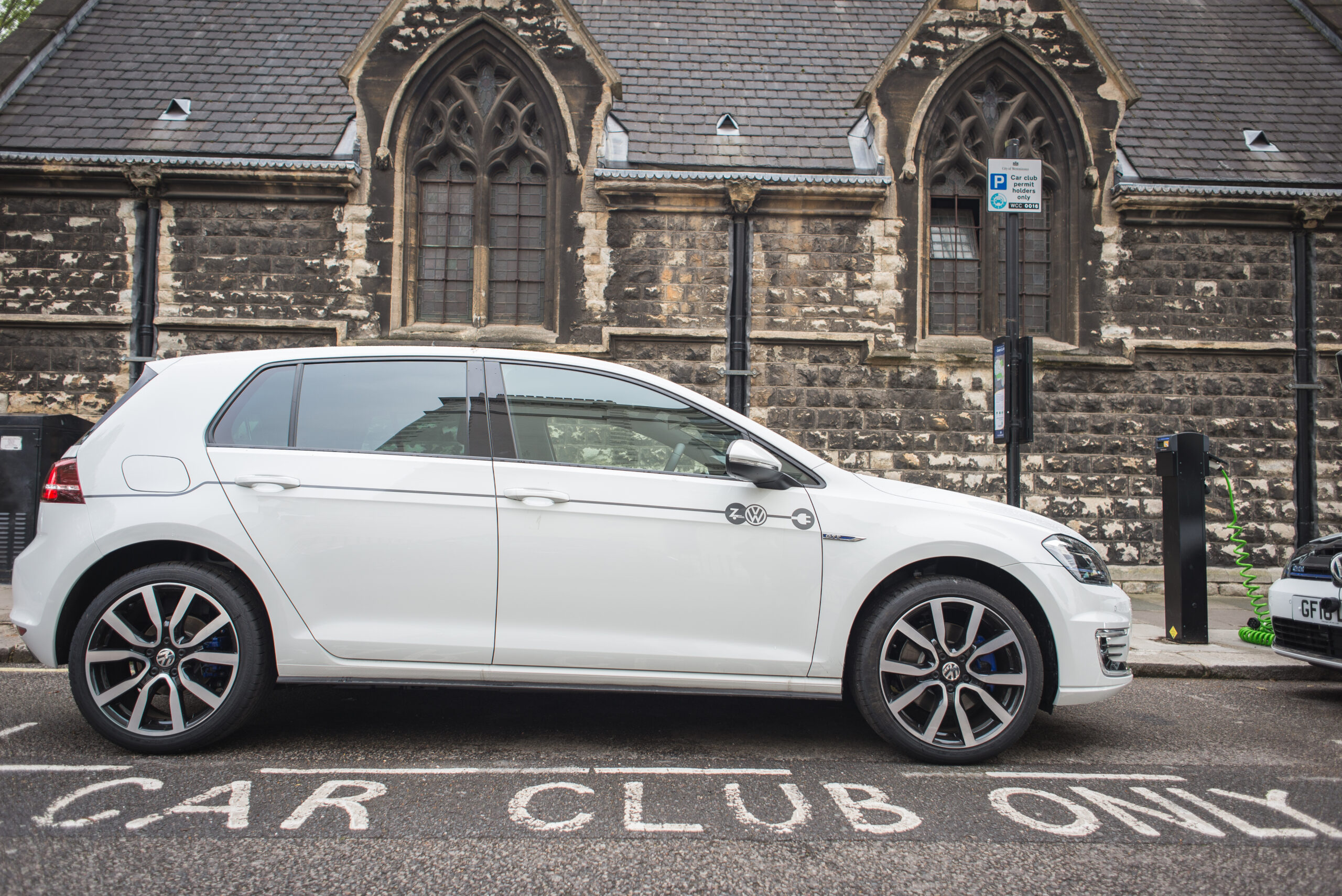
Car Club vehicle in designated parking space

DTAG is exploring whether a car club could work in Dorchester

  • Access to a car when you need one
  • No insurance, servicing or maintenance costs
  • Could reduce parking demand
  • Could reduce the need for a second car

Read on to find out more about car clubs and how one might work in Dorchester. We'd love to hear your views through our short survey.
What is a car club?

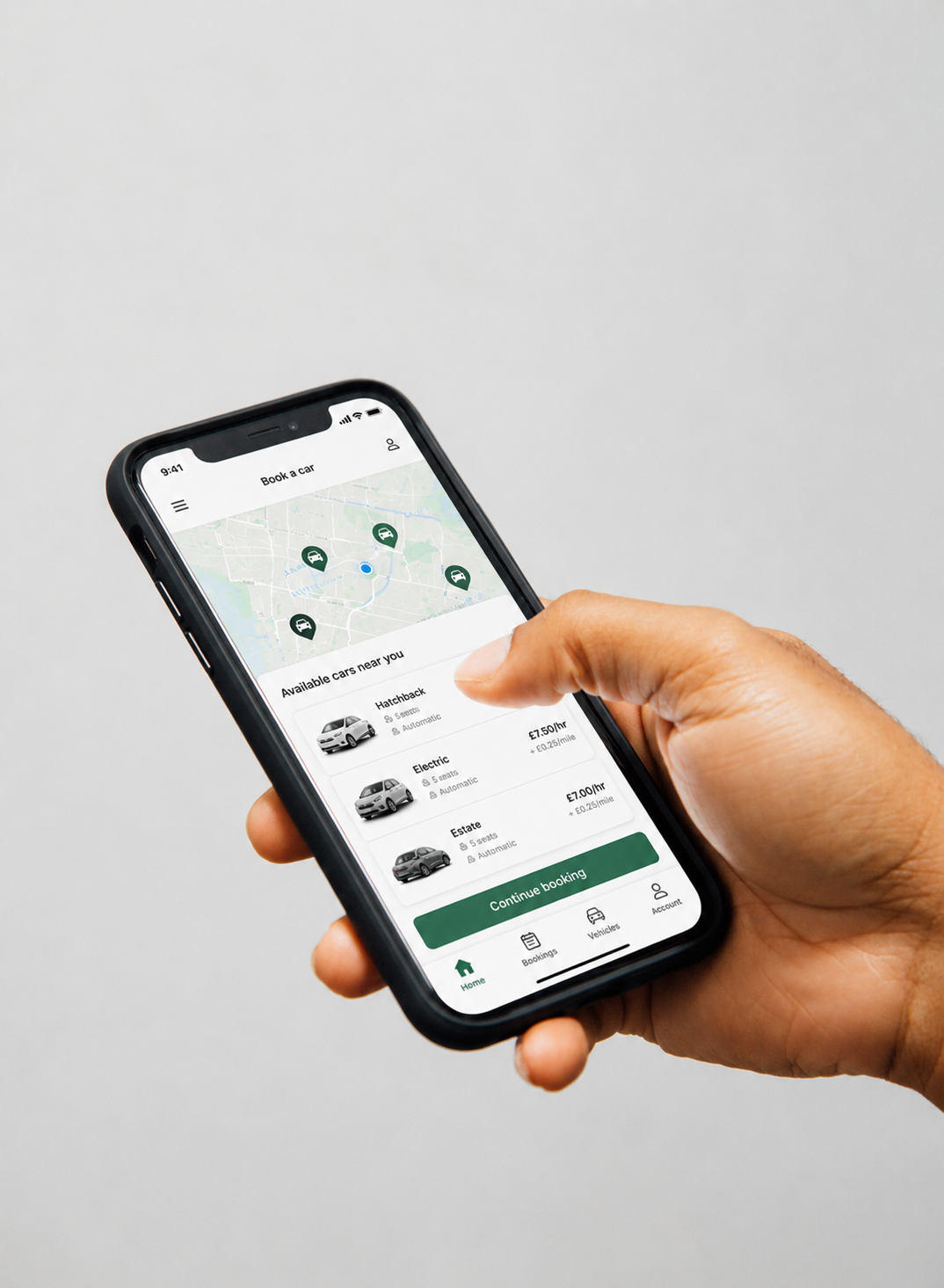
A car club is a service where members can book a vehicle for short-term use – for an hour, a day or longer.

Bookings are made using an app or website, you then get a code to unlock the car, make your journey and return it to its bay.

Insurance, servicing and maintenance are usually included.


It is not lift sharing. You use the vehicle yourself.

Why do people use car clubs?

To avoid the cost and hassle of owing a car.

To have access to a car only when needed.

To reduce from two to one cars, or one to zero cars

Access to a larger vehicle when needed.

For occasionally moving large or heavy items.

Works with active and public travel.

What does car club membership cost?

There are numerous car clubs and car club models. Different operators use different pricing models. Example components and costs are:

  • A joining fee: typically  £10–£30 one off payment
  • A subsription fee: typically £50–£80 per year, sometimes reduced for lower income households
  • A charge based on the time the vehicle is booked: typically £5–£8 per hour or sometimes a day rate.
  • A charge based on the distance travelled: typically 20–30p per mile

Insurance, servicing, maintenance, vehicle tax and breakdown cover are usually included.

The total cost depends on how often you use a vehicle and how far you travel. For people who only need occasional access to a car, this can work out significantly cheaper than owning and running a vehicle year-round.

The real cost of owning a car

A typical annual cost of owning a car:  £3,462

Cost Annual Cost
Depreciation £1,312
Fuel £800
Insurance £559
Repairs & Servicing £503
Vehicle Tax £176
Other Costs & Consumables £112
Total £3,462

Indicative 2026 estimates

Could a car club save you money?

Here are a examples of usage and cost scenarios from the Upper Calder Valley car club scheme

Emily – The Occasional Driver (saves £2,957/year )Illustrative annual car club cost: £505

Emily walks, cycles and uses public transport for most journeys. She only needs a car occasional large shopping trips, moving bulky items, visiting family or weekend breaks.

Rather than paying to own a car that sits parked most of the time, she only pays when she needs one.

Example usage:
-Monthly local errands
- Quarterly family visits
- One weekend away each year

The Two-Car Household (less than owning two cars)Some households rely on one main car but keep a second vehicle that is only used occasionally.

A car club can sometimes provide access to that second vehicle when needed, avoiding insurance, tax, servicing and depreciation costs on a car that spends most of its time parked

Chris – The Semi-Retired Grandparent (saves £1,387)Illustrative annual car club cost: £2,075

Chris works part-time locally and does not drive every day. He mainly needs a car for hospital appointments, collecting grandchildren and occasional day trips.

A car club allows him to keep the convenience of having access to a car without worrying about insurance, servicing, repairs or parking.

Example usage:
- Weekly family journeys
- Regular hospital appointments
- Occasional leisure trips

Sarah – The Budget-Conscious Parent (saves £1,523/year)Illustrative annual car club cost: £1,939

Sarah uses public transport for work but needs a car for shopping, family visits and occasional days out.

For households that only need a vehicle from time to time, a car club can provide flexibility without the full costs of ownership.

Example usage:
Weekly shopping trips
Family visits
Occasional days out

The Home WorkerIllustrative annual cost: depends on usage

Many people now work from home and no longer commute every day. A car club can provide access to a vehicle for occasional meetings, appointments and errands without the cost of owning a second car.

These examples are illustrative and based on one UK community car club. Actual costs depend on the provider, membership model and how often you use a vehicle.

Why is DTAG exploring a car club for Dorchester?

Dorchester has several characteristics that could make a car club worth exploring:

A compact and walkable town

Many everyday journeys can already be made on foot or bicycle; some residents may only need a car occasionally.

Parking presures in some areas

Research by CoMoUK suggests that each car club vehicle can replace around 22 privately owned cars.


This could have a positive impact on our streets.

Likely housing growth

There may be opportunities to consider a wider range of transport options alongside private car ownership.

Rail and bus links

Existing rail and bus links make it possible to combine different modes of travel 

Seasonal vistors

A car club option may incentivise visitors to travel by train, leaving their cars at home, easing pressure on local roads.

Frequently Asked Questions

What different types of car club are there?Car clubs operate in several different ways.

Community-owned and operated
A local community organisation owns or leases the vehicles and manages bookings and day-to-day operations.

Operator-run
A specialist company provides the vehicles, booking app, insurance, maintenance and customer support.

Hybrid or partnership models
A community group, local authority or developer helps establish the scheme while a specialist operator manages the service.

That says essentially the same thing in half the space.

What type of car club is most suitable for Dorchester?The most suitable model would depend on local demand, available funding, potential partners and the level of community involvement..

Would DTAG run the car club?No. DTAG is not proposing to operate a car club and has no plans to own vehicles or run a booking service.

At this stage we are simply exploring whether there is local interest in the idea. If there was sufficient demand, any future car club would most likely be run by an established operator, community organisation or partnership.

How many cars would there be?The number of vehicles would depend on demand, funding and the operating model.

Many schemes start with just one or two vehicles expand over time if they are well used.

Where would the cars be located?Car club vehicles are typically placed where they are easy to access on foot, by bicycle and by public transport.

Complete our short suvery to tell us where you would most like to see a car club vehicle.

Would the vehicles be electric?Many modern car clubs use electric vehicles; some use a mix of electric and conventional vehicles depending on local circumstances and charging infrastructure.

Could a car club replace my car?For many people in Dorchester, a car is essential and a car club would not be a practical replacement.

Car clubs are generally most useful for people who only need a vehicle occasionally, or households that could manage with one main car and occasional access to another.

What happens next?

If there is sufficient interest, DTAG hope to explore the feasibility of a car club in more detail and discuss options with local partners, and potential operators.

Either way, the purpose of this survey is to understand local views before futher discussions are held.

Keep up

Sign up for our e-newsletter every few weeks. Unsubscribe at any time.

© Dorchester Transport Action Group 2025

Website by Rob Hattersley

×